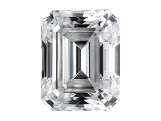
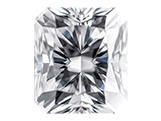
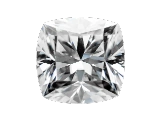
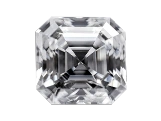

The emerald cut diamond is a legacy of the Art Deco era, defined by its elongated rectangle and stepped facets. This shape is a natural partner for a vintage-inspired setting. A stone like this 0.27 carat emerald cut lab grown diamond—with its E color, VS2 clarity, and classic 1.51 ratio—is an ideal candidate. Its modest size calls for a setting rich in detail, one that enhances its geometric beauty and evokes the timeless feel of antique jewelry. Here are three vintage style paths and key tips to ensure a flawless, period-perfect pairing.
Table of Contents
The Art Deco Setting Honoring Its Original Era
Pairing an emerald cut with an Art Deco setting is a return to its roots. This style emphasizes the clean lines and bold geometry that defined the 1920s and 1930s.
Design Essentials
- Metal: Warm 14K yellow or rose gold softens the stone’s cool facets; platinum or white gold offers a period-accurate, luxurious feel.
- Structure: Seek symmetry and linear design. Look for settings with parallel baguette accents or milgrain detailing along the shoulders. A square-cornered gallery (the metal beneath the stone) reinforces the geometric theme.
- Setting Style: A four-prong setting with square or geometric prongs is ideal. It secures the stone while framing its rectangular shape and allowing maximum light to its open facets.
Why It Works
This 0.27 carat lab diamond’s 1.51 length-to-width ratio creates a slender, elegant silhouette that Art Deco designs naturally elongate. The setting’s strong lines don’t compete with the stone; they amplify its presence, making even a modest carat weight feel intentional and grand. Paired with yellow gold, the diamond’s E color gains a soft, warm glow reminiscent of genuine heirlooms.
The Victorian Setting For Ornate Romance
For a more ornate, romantic vintage look, Victorian-era inspiration is perfect. This style introduces intricate detail that contrasts beautifully with the emerald cut’s simplicity.
Design Essentials
- Metal: Opt for matte-finished 14K rose gold or sterling silver with antique plating. A muted luster is more authentic than a high polish.
- Structure: Look for settings with engraved scrollwork, foliate motifs, or milgrain borders on the band. A halo of tiny, old European-cut lab grown diamonds or seed pearls around the center stone adds layered opulence.
- Setting Style: A six-prong setting with rounded, button-style prongs offers security and a softer profile that complements the band’s intricate detailing.
Why It Works
A Victorian setting adds visual weight and intricacy, making the 0.27 carat center stone appear more substantial. The detailed band draws the eye, creating a focal point beyond the diamond itself. This style is for the wearer who loves “quiet drama”—a piece that feels special and detailed up close but remains elegantly wearable every day.
The Edwardian Setting For Light and Lace
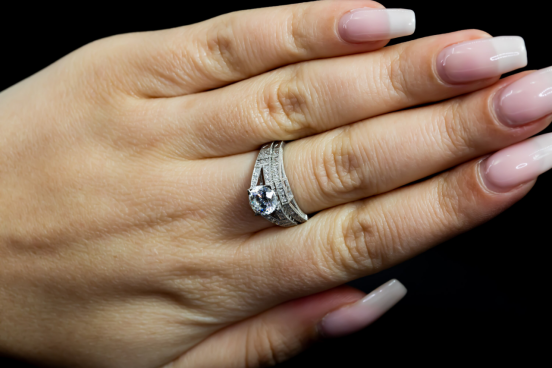
Edwardian style (c. 1901-1910) is characterized by lightness and delicacy. It’s an excellent choice for those who prefer a subtler, more ethereal vintage look that highlights the diamond’s clarity.
Design Essentials
- Metal: Platinum or white gold is traditional, enhancing the diamond’s cool, white E color and creating a “frosted” vintage aesthetic.
- Structure: Seek filigree or lace-pierced openwork in the band and gallery. The goal is to create an airy, almost transparent structure of metal.
- Setting Style: A delicate three-prong or knife-edge setting minimizes metal contact with the stone, allowing an unobstructed view of the emerald cut’s clean lines and deep flashes of light.
Why It Works
This style is a masterclass in showcasing a diamond. The open, lacy metalwork and minimal prongs put all the focus on the lab grown emerald diamond’s pristine VS2 clarity and elegant proportions. It results in a piece that feels both vintage and remarkably modern in its minimalist approach to showcasing the stone.
3 Pro Tips for a Perfect Match
1. Proportion Matters
For a 0.27 carat emerald cut (approx. 3.01×4.54mm), a band width of 1.8mm-2.2mm provides balance. For accent stones in a halo or along the band, select melee diamonds under 0.05ct to complement, not overwhelm, the center stone.
2. Match Metal to Diamond Color
An E color lab diamond is versatile. Cool platinum makes it appear brighter and whiter, while warm gold creates a classic, contrasting warmth. For a cohesive vintage look, stick to one metal color throughout the setting.
3. Prioritize Authentic Craftsmanship
Look for hand-engraved details or milgrain work, as machine-stamped patterns can look flat. Smooth, polished interiors on the band ensure comfort. Choose a jeweler experienced in or inspired by true vintage fabrication techniques.
Common Mistakes to Avoid
- Overwhelming the Stone: An overly wide or bulky band can make a 0.27 carat diamond look insignificant.
- Choosing a Modern Setting: Tension settings or ultra-minimalist bands will clash with the vintage diamond aesthetic.
- Mixing Metal Colors: In true vintage pieces, metals were rarely mixed. For authenticity, keep the setting in a single, consistent metal.
Final Recommendation Match the Style to Your Vision
- For Authentic Geometry: An Art Deco setting is your purest match.
- For Detailed Romance: A Victorian setting delivers ornate beauty.
- For Delicate Showcasing: An Edwardian setting highlights the diamond’s elegance.
The 0.27 carat emerald cut lab grown diamond is a versatile centerpiece. The right vintage setting transforms it from a beautiful stone into a wearable piece of history—a personal treasure that connects daily style to timeless design.