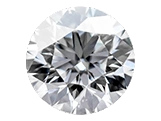
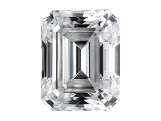
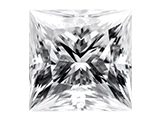
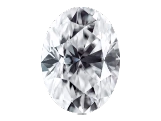
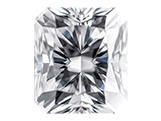
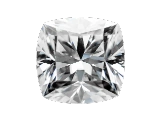
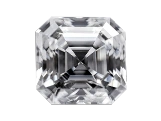

Buying a diamond shouldn’t feel like deciphering a secret code. The 4Cs—Carat, Color, Clarity, and Cut—are your essential, universal guide to quality. By mastering these four elements, you can confidently choose a beautiful stone. Let’s use this real-world example, the 0.28 carat princess cut lab grown diamond (IGI-certified, E color, VVS1 clarity, Good cut), to explain each C in plain language. By the end, you’ll know exactly how to evaluate any diamond.
Table of Contents
Carat (Weight) The Size Scale, Not the Value Scale
What It Is:
Carat is a unit of weight for gemstones. One carat equals 0.2 grams or 100 points. Our example is 0.28 carats, or 28 points—a delicate, wearable size.
The Example Explained:
This 0.28 carat princess cut diamond measures approximately 3.58×3.59mm, a near-perfect square. It’s a size that offers noticeable sparkle without being overwhelming, ideal for everyday stud earrings or a simple solitaire ring.
Key Takeaway for Beginners:
Don’t fixate solely on carat weight. A smaller diamond with excellent other grades, like this E color VVS1 stone, will look and feel far more luxurious than a larger diamond with poor color and clarity. For best value in daily wear, the 0.20 to 0.50 carat range is an excellent sweet spot.
Color (Grade) The Purity Filter
What It Is:
The diamond color scale runs from D (completely colorless) to Z (light yellow or brown). Our example is an E color diamond, placing it in the top “colorless” tier.
The Example Explained:
An E color grade means the stone has no detectable yellow or brown tint to the naked eye. It will face up bright white in any lighting, which complements the sharp, modern lines of the princess cut beautifully.
Key Takeaway for Beginners:
Color significantly impacts a diamond’s perceived quality. A lower color grade (like J or K) can appear dull or yellowish, especially in white metal settings. For a bright, white appearance, prioritize grades in the D-F range for your lab grown diamond. If budget is tight, G-H colors are still near-colorless and offer great value.
Clarity (Grade) The Internal Cleanliness Report
What It Is:
Clarity measures the number and size of internal inclusions (flaws) and external blemishes. The scale ranges from Flawless (FL) to Included (I). Our example boasts a VVS1 clarity grade, meaning its inclusions are “Very, Very Slightly Included” and extremely difficult to see even under 10x magnification.
The Example Explained:
With VVS1 clarity, this diamond is “eye-clean.” You will not see any flaws with your naked eye. Its large 74% table facet remains perfectly transparent, allowing unimpeded light passage for maximum sparkle.
Key Takeaway for Beginners:
You do not need a Flawless diamond. For everyday jewelry, any grade from VS2 and above will be eye-clean. This is where you can save significantly without sacrificing beauty. The goal is “no visible imperfections to the unaided eye,” which VVS1 easily exceeds.
Cut (Quality) The Sparkle Engine
What It Is:
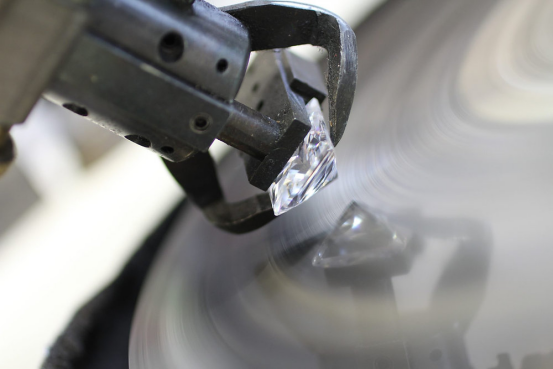
Cut is the most complex of the 4Cs. It refers to the diamond’s proportions, symmetry, and polish—how well the craftsman has shaped the rough stone. Our example has a Good cut grade with Very Good polish and symmetry.
The Example Explained:
While not an “Ideal” cut, its Good proportions (with a 39.3° pavilion and 31° crown angle) are well-executed. The Very Good polish and symmetry ensure the facets are smooth and perfectly aligned, allowing light to reflect and refract efficiently for strong fire and brilliance in this princess cut lab diamond.
Key Takeaway for Beginners:
For round brilliant diamonds, cut is king. For fancy shapes like princess, oval, or emerald cuts, the cut grade is less standardized, making polish and symmetry especially important. Look for Good or Very Good grades in these categories to ensure a lively, well-proportioned stone.
Putting It All Together The Beginner’s 4C Priority List
For a daily-wear diamond, prioritize the 4Cs in this order:
1. Cut (Polish & Symmetry) > 2. Color > 3. Clarity > 4. Carat Weight
This prioritizes what you see first: sparkle, then brightness, then cleanliness, and finally size.
How Our Example Diamond Stacks Up:
- Cut (Good + VG Polish/Sym): Ensures strong, consistent sparkle.
- Color (E): Delivers a bright, colorless appearance.
- Clarity (VVS1): Guarantees flawless visual purity.
- Carat (0.28): Provides a perfect, elegant size for everyday wear.
This balanced 4C profile in a lab created diamond is why this stone represents outstanding value at $215. It’s a blueprint for a smart first purchase.
Your 3-Step Checklist to Avoid Common Mistakes
- Always Get a Certificate: An IGI or GIA report, like the one with this diamond, is your guarantee of the 4Cs. Never buy based on a claim alone.
- Mind the Proportions (for fancy shapes): For a princess cut, look for a length-to-width ratio close to 1.0 (like this stone’s perfect 1.0) for a classic square look.
- Balance is Everything: Never maximize one C at the severe expense of another. A well-balanced diamond with very good grades across all 4Cs will always be more beautiful than a diamond with one perfect grade and several poor ones.
Mastering the 4Cs empowers you to find a diamond that offers true beauty and value. The 0.28 carat princess cut lab grown diamond demonstrates that with the right combination, even a modest carat weight can deliver exceptional quality and timeless style.