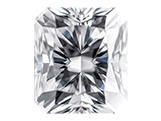
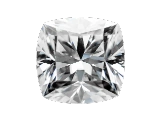
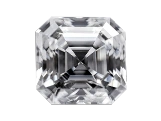

In the world of diamond color grading, D and E sit together in the top tier of “colorless” stones. They are just one step apart on the scale, yet this tiny gap often causes confusion. Is the difference between D and E color visible to the naked eye? Is the upgrade worth the cost? With five years of diamond consulting experience, I’ll use two exemplary lab grown diamonds as references to demystify this choice. We’ll compare a 0.35 carat F color Asscher cut lab diamond, which serves as a perfect mid-point reference, and a comparable 0.33 carat E color Emerald cut.
This hands-on analysis will show you the real difference between D and E color and help you spend your money wisely.
Table of Contents
Understanding Diamond Color Grading The Gap Between D and E
The diamond color scale runs from D (completely colorless) to Z (light yellow or brown). The core measurement is the concentration of yellow tint.
- D Color: The highest grade, representing absolute purity with no detectable hue.
- E Color: The next grade, with an imperceptibly tiny amount of yellow tone visible only under strict lab conditions. Both D and E are classified as “Colorless.”
The key insight is that the difference isn’t about “whiteness,” but about optical purity. D color allows light to pass through with zero color interference. Both grades are reliably assessed by major labs like IGI or GIA, whose certificates provide the definitive standard.
The 0.35 carat Asscher cut lab diamond in F color (one step below E) is an ideal benchmark. With an IGI report, VS1 clarity, and Very Good cut, it provides a clear visual stepping stone between the top grades.
The Visual Test Can You See the Difference Between D and E Color
To find the answer, I evaluated an E color Emerald cut, the F color Asscher, and a reference D color Asscher cut diamond under multiple conditions.
1. Controlled Lab Environment (White Background, Cold Light)
- D Color Diamond: Exhibited complete absence of color. The stone looked like a clear icicle, with light passing through in a pure, cold flash.
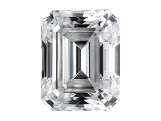
- E Color Diamond (Emerald Cut): Under 10x magnification, a faint, localized hint of tone was observable only with intense focus. The Emerald cut’s large, open table distributed this trace element evenly, minimizing its visual impact.
- F Color Asscher Diamond: Showed a slightly more noticeable, yet still faint, tone compared to E. The difference from D/E was a subtle reduction in diamond clarity and luminous purity.
2. Real-World Lighting (Indoor & Outdoor)
- Warm Indoor Light: The difference vanished. All three stones faced up bright white. The Asscher cut diamond‘s stepped facets and the Emerald’s mirror-like hall of mirrors showed no discernible color variation.
- Bright Sunlight: D color’s purity advantage became slightly apparent only when two stones were placed side-by-side. It appeared a touch more “luminous.” When viewed individually, telling them apart was impossible.
- Once Set in Jewelry: Mounted in a yellow gold bezel (Emerald) or white gold prong setting (Asscher), the color difference was completely masked by metal reflections, ambient light, and movement.
3. How Diamond Shape Affects Color Perception
The cut dramatically influences how color is perceived.
- Asscher Cut: The deep, step-cut facets create multiple internal reflections. This can amplify the icy, colorless effect of a D stone but also helps disguise minute tones in an E or F color diamond, making them appear whiter.
- Emerald Cut: Its large, open table and long step facets provide a clear view into the stone. This makes it more “honest” with color, potentially making the subtle tone of an E grade slightly more apparent than in an Asscher, though still far below the threshold of casual observation.
The Ultimate Question Is Upgrading from E to D Color Worth It
The answer depends entirely on two factors: carat weight and context.
1. For Smaller Diamonds (Under 1 Carat) – Usually Not Worth It
For diamonds like our 0.33-0.35 carat examples, the price jump from E to D color is typically 15-20% (around $50-$80 for lab created diamonds). You are paying a premium for a difference that is virtually invisible in daily wear. Investing that budget into a better cut or clarity, or simply a larger stone, offers a more noticeable return.
2. For Specific Settings and Occasions – It Can Be
- Choose D Color for: Larger stones (over 1 carat), platinum or white gold settings, minimalist solitaire designs that expose the stone fully, and high-formality occasions like weddings where “the best” is a priority.
- Choose E Color for: Smaller stones, yellow or rose gold settings, halo or bezel designs, and everyday jewelry. The saved budget enhances the overall piece more effectively.
The Smart Value of F Color An Expert Insight
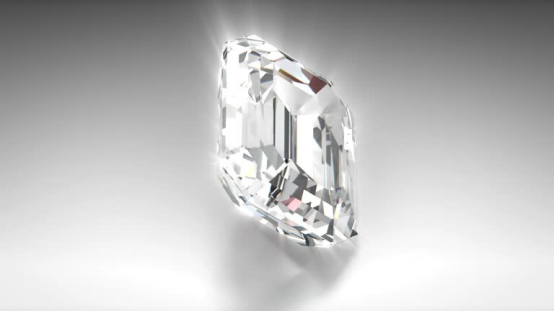
The 0.35 carat F color Asscher cut lab grown diamond represents a brilliant value proposition. As a “near colorless” stone, its slight tone is irrelevant in daily wear, especially within the light-hiding Asscher cut. With its excellent VS1 clarity and Very Good cut, its overall performance at $315 rivals that of more expensive E and D color stones, making it a top contender for best value diamond.
Your Personalized Diamond Color Selection Guide
- For Best Value & Daily Wear: Prioritize E or F color. Pair it with a smaller carat weight (0.2-0.5ct), a forgiving cut like Asscher, and a yellow gold setting. The visual result will be stunning, and the savings are substantial.
- For Top Tier Quality & Special Occasions:** Prioritize D color. Match it with a larger stone (1ct+), a pristine cut, and a cool white metal setting to maximize its flawless, icy effect.
- Still Deciding? Let the Shape Guide You:
- For an Asscher cut diamond, E color is often sufficient as the facets mask tone beautifully.
- For an Emerald cut diamond, if your budget allows, D color can maximize its clean, open beauty. Otherwise, E color remains an excellent choice.
Final Verdict Choose What You Can See and Feel
The journey from E to D color is a move from exceptional purity to flawless perfection—a distinction that matters most on paper and in specific, controlled comparisons. For most people, especially those choosing a lab diamond for everyday elegance, E color delivers all the visual brilliance required. The F color Asscher demonstrates that exceptional value exists just one step further.
The smartest approach to diamond color selection is not to chase an imperceptible ideal, but to align your choice with your diamond’s size, setting, and purpose. Invest where it creates a visible impact on beauty and wearability, ensuring every dollar enhances the experience of owning your perfect stone.