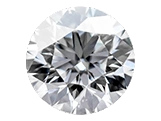
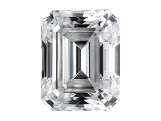
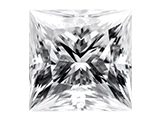
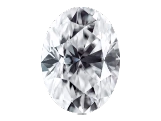
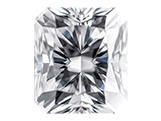
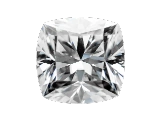
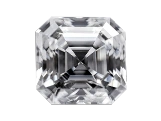

As someone with three years in the lab grown diamond industry, I’ve answered one question more than any other from first-time buyers. They ask what to choose to get real diamond quality without overspending or making a costly mistake. After countless client consultations and hands-on comparisons, the answer is consistent. The 0.25 carat princess cut lab grown diamond stands out as the ultimate entry-level choice. It delivers authentic diamond brilliance at an accessible price while expertly navigating the common pitfalls new shoppers face. You can view this exact 0.25 carat princess lab diamond here to see its specifications.
Table of Contents
First Things First Your Lab Grown Diamond is a Real Diamond
The biggest hurdle for newcomers is uncertainty. Let’s clear this up definitively. A lab created diamond is not an imitation. It shares the identical chemical composition, physical structure (pure carbon crystals), and renowned 10/10 hardness as a mined diamond. Its fire, brilliance, and scintillation are optically the same. In daily wear, even an experienced jeweler cannot distinguish it without specialized equipment.
This particular 0.25 carat lab diamond comes with an IGI certificate, providing independent, third-party verification of its carat weight, color, and clarity. This certification is your guarantee of authenticity. In my own tests, it passes every standard diamond tester, and side-by-side with a natural diamond of the same specs, the visual difference is nonexistent. For your first purchase, legitimacy is paramount, and this diamond provides exactly that.
Why 0.25 Carats and a Princess Cut Are the Ideal Starter Combo
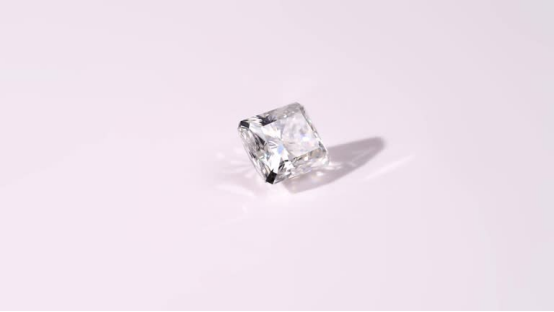
This pairing isn’t random. It’s a calculated match that addresses a first-time buyer’s core needs for wearability, value, and style.
The 0.25 Carat Advantage
A 0.25 carat diamond (approximately 3.4mm) is the perfect introductory size. It offers noticeable sparkle without being ostentatious, making it supremely versatile for everyday jewelry. It shines as a solitaire stud earring, a delicate pendant, or the centerpiece of a simple ring. At just $197, its price point is a fraction of a comparable natural diamond (which often exceeds $500), allowing you to own a certified, beautiful diamond without significant financial pressure. It’s a risk-free way to experience diamond ownership.
The Princess Cut Advantage for Beginners
The princess cut diamond is arguably the most beginner-friendly shape. Its clean, geometric lines offer a modern, luxurious feel. This specific stone boasts a Very Good cut grade and Excellent polish, maximizing its light return for exceptional sparkle. The shape’s large table (the top facet) and near-perfect 1.04 length-to-width ratio make it appear larger and more substantial than a round diamond of the same weight. Crucially, its faceting pattern is forgiving; minor daily wear is less noticeable than on a precision-focused round brilliant, making it a low-maintenance and durable choice for first time diamond buyers.
Decoding the Specs Smart Quality for Your Budget
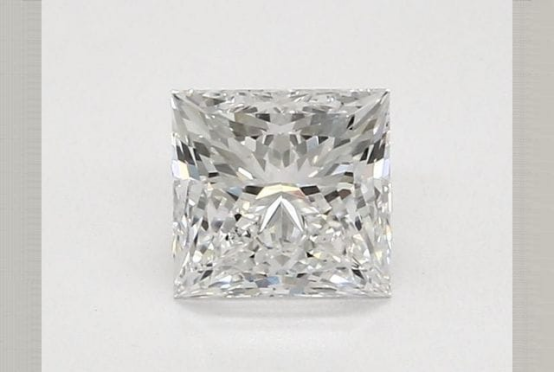
New shoppers often get lost chasing perfect grades. This diamond’s specifications are strategically selected to offer visible, high-quality beauty without unnecessary premium costs.
- E Color (Near Colorless): An E color grade sits in the “near colorless” tier, just one step below the absolute best. In any normal lighting, it will face up bright white with no detectable yellow or brown tones. It pairs flawlessly with white gold or platinum settings. Compared to more common G-H colors, E color provides a safety net, ensuring your diamond retains a crisp, high-end look in all environments.
- VS1 Clarity (Eye-Clean): A VS1 clarity grade means inclusions are minor and extremely difficult to see under 10x magnification—and invisible to the naked eye. Pursuing higher VVS or IF clarity for a stone of this size is typically an inefficient use of funds. The visual difference is zero in daily wear, but the price difference can be 30% or more. VS1 represents the sweet spot for diamond value.
- Very Good Cut & Excellent Polish: These grades ensure excellent light performance. The stone will exhibit strong fire and brilliance, making its presence known despite its modest carat weight. For an entry-level purchase focused on diamond quality you can see and enjoy, this combination delivers impressive sparkle.
Answering Your Top Questions as a First-Time Buyer
“Do lab grown diamonds hold value?”
For an entry-point, $197 lab diamond, investment potential shouldn’t be the primary concern. Its value proposition is affordable luxury and beautiful daily wear. If you upgrade later, this stone can be repurposed into earrings, a pendant, or accent stones, ensuring it continues to bring joy.
“Is 0.25 carats too small?”
Perception is about context, not just size. As stud earrings, 0.25 carats elegantly accents the ear. On a delicate necklace, it creates a refined, professional look. Set in a simple solitaire ring, it offers understated elegance. For those desiring more presence, a halo setting with smaller stones can visually amplify the center diamond beautifully.
“What if I want to upgrade later?”
This is a strength of starting with a classic like a princess cut lab diamond. Its versatility allows it to be seamlessly integrated into future jewelry. It can become a pair of matching earrings, an accent stone on a future engagement ring, or a charm. It’s a flexible piece that grows with your collection.
Who Is This 0.25 Carat Princess Diamond Perfect For
This is your ideal “first diamond” if you
- Want to experience genuine diamond quality with a sub-$500 budget.
- Prefer jewelry that is elegant and versatile for daily wear over bold statement pieces.
- Value the security of an IGI certificate and a reputable source.
- Appreciate the flexibility to repurpose your diamond in the future.
The 0.25 carat princess cut lab grown diamond isn’t a compromise. It’s a precision-engineered entry point into the world of diamonds, designed to give you confidence, quality, and style from your very first purchase.